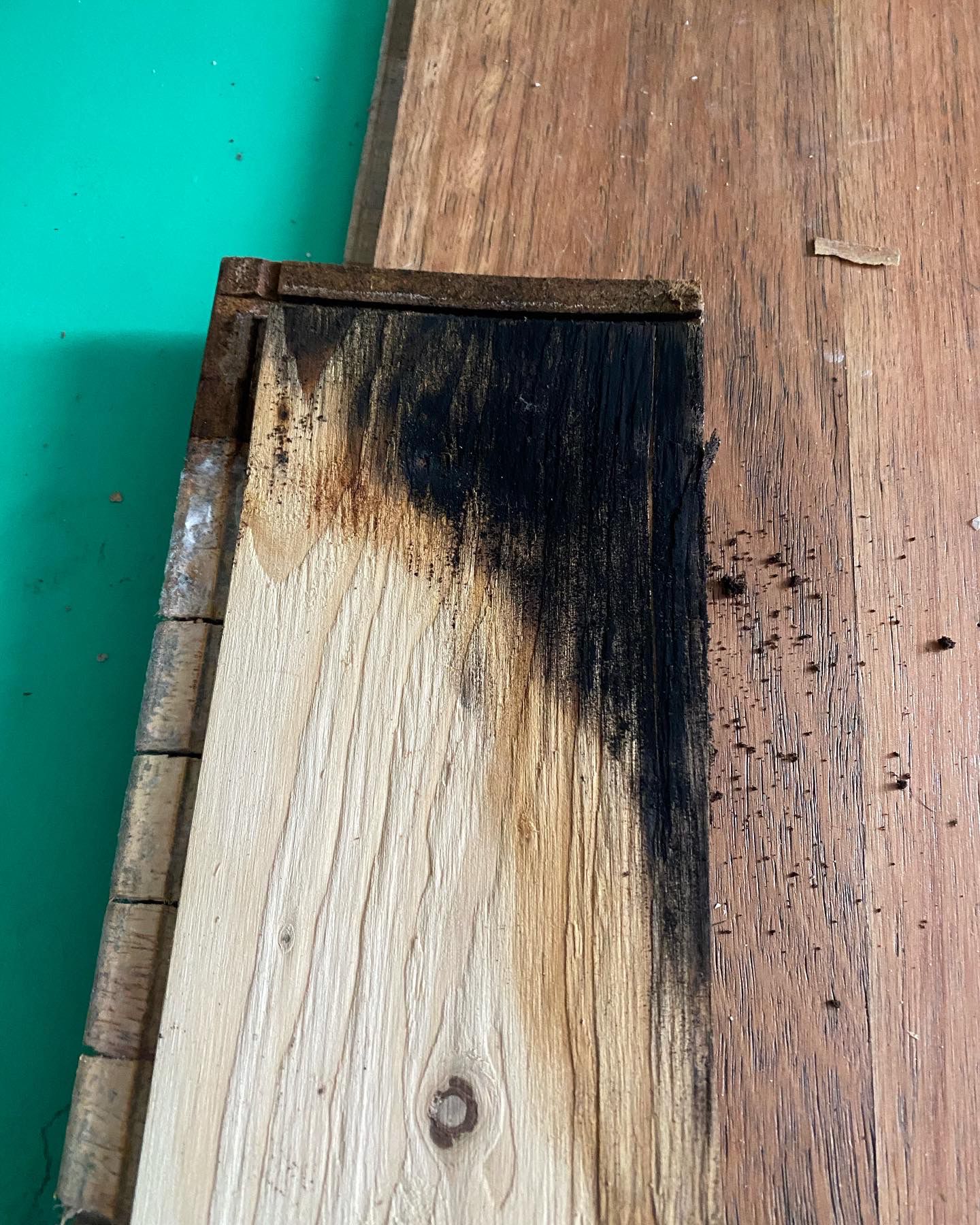
Mould can begin developing very quickly after water damage, often within 24 to 48 hours if materials remain damp and the affected area is not dried properly. That is why fast water extraction and drying matter so much after a burst pipe, roof leak, flooding incident or hidden plumbing issue.
In Sydney and Western Sydney, mould problems often appear after water has soaked into carpet, underlay, skirting boards, cabinetry, flooring or wall cavities. Even when the visible water seems minor, moisture can continue to sit inside materials and create the conditions mould needs to grow.
Why mould grows so fast
Mould only needs a few things to develop: moisture, time and the right surface. Many common building materials provide a suitable environment once they stay damp for long enough. Carpet backing, underlay, plasterboard, timber, dust, insulation and cabinetry can all support mould if moisture is not removed quickly.
Warm conditions, poor airflow and hidden wet areas can all speed the process up. That is why mould often appears after leaks behind walls, under flooring or around wet areas where moisture remains unnoticed.
What increases the risk after a leak or flood
Not every water-damage job becomes a mould job, but several factors raise the risk:
- Delays in removing standing water.
- Wet carpet and underlay left in place for too long.
- Moisture trapped behind skirting, walls or cabinetry.
- Poor ventilation after the incident.
- Repeated leaks or long-term hidden moisture.
For homeowners and property managers in Sydney, this means the first day or two after a water-damage event often matters the most.
How to reduce the chance of mould
The goal is to stop water from sitting in the property and start a proper drying process as soon as possible. This often includes removing standing water, checking where moisture has spread and using the right drying equipment for the job.
Where moisture testing is used, hidden damage can often be found earlier. That helps prevent situations where the surface looks dry but the material underneath is still damp enough to support mould.
If you need urgent help, our Emergency Water Extraction service is usually the first step after active water damage. If mould is already visible or the property smells musty, our Mould Removal & Remediation page explains the next stage in more detail.
Common places mould appears after water damage
Mould can show up in obvious areas like walls and ceilings, but it often begins in less visible spots first. Common trouble areas include:
- Under carpet and underlay.
- Beneath floating floors or timber boards.
- Behind skirting boards.
- Inside wall cavities or around built-in cabinetry.
- Around bathrooms, laundries and kitchens after overflow incidents.
This is one reason flood and water-damage jobs in suburbs like Kellyville, Castle Hill, Blacktown and Parramatta often need more than a surface clean-up.
When to call for professional help
If the water damage affected more than a very small area, if carpet and underlay are wet, if moisture may have entered walls or flooring, or if there is already a musty smell, it is usually worth getting help quickly. The longer moisture remains in the property, the more difficult the job can become.
For many Sydney and Western Sydney properties, quick extraction and drying can reduce the chance of mould getting established. Where mould is already present, fast remediation helps stop the problem spreading further.
FAQ
Can mould really start in one or two days?
Yes. Under the right conditions, mould can begin developing within 24 to 48 hours after water damage.
Does carpet always need to be replaced?
Not always. In many cases, carpet can be saved if extraction and drying start quickly. Our Wet Carpet Drying page explains this in more detail.
What if the floor looks dry already?
Visible dryness does not always mean the underlying material is dry. Moisture can remain trapped below the surface.
Do mould problems happen in commercial properties too?
Yes. Offices, retail spaces, strata buildings and other commercial sites can all develop mould after unresolved water damage.
Final word
Mould after water damage is often a timing issue. The sooner water is removed and drying begins, the better the chance of preventing a larger mould problem. If your property in Sydney or Western Sydney has been affected by flooding, leaks or wet carpet, call early and get the drying process started properly.
Emergency Water Extraction · Mould Remediation · Wet Carpet Drying · Flood & Water Damage